Cessna 172RG Rear RH Baffle Assembly
Cessna 172RG Rear RH Baffle Assembly
Blog Article
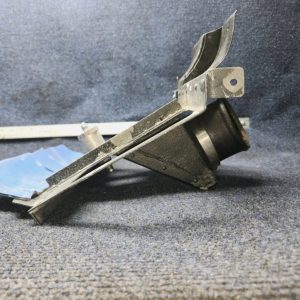
The Cessna 172RG Rear RH Baffle Assembly
The Cessna 172RG Rear Right-Hand Baffle can support airflow management, while the Cessna 172RG Engine Baffle and Cessna 172RG Cooling Baffle descriptions should not imply universal interchangeability.
The Cessna Cutlass website Engine Baffle, Cessna 172RG Baffle Assembly, Rear RH Engine Baffle, and Aircraft Engine Baffle Assembly describe related cooling-air components located within the engine compartment.
The Cessna Engine Cooling Baffle works with other Cessna 172RG Engine Compartment Parts to reduce unwanted air leakage and direct airflow through intended cooling paths.
Whether marketed as an Engine Cooling Baffle Assembly, Cessna Cutlass Cooling System Part, or Cessna 172RG Replacement Baffle, the component should receive individual inspection.
Understanding P/N 2455038-2
The P/N 2455038-2 marking should be confirmed through stamped identification, labels, donor-aircraft records, packaging, photographs, and applicable Cessna parts information.
The right-hand orientation and rear engine-compartment location should be verified before shipment or installation.
Cessna 172RG Engine Temperature Management
The component should not be considered an isolated panel because its effectiveness depends on the condition of the complete baffle arrangement.
Engine condition, instrumentation, seals, cowling, operations, and surrounding baffles should be considered during troubleshooting.
Verifying Fitment Before Purchase
A rear right-hand baffle should not be advertised as suitable for every Cessna 172 model merely because the aircraft share a related airframe family.
Mounting holes should not be enlarged or relocated casually to force alignment.
Cessna Baffle Flanges and Brackets
An Aircraft Engine Baffle Assembly may include formed sheet material, flanges, stiffening bends, brackets, attachment holes, seal-retaining features, and related hardware.
Small distortions may create air gaps, cowling interference, fastener misalignment, or stress around mounting points.
Aircraft Cooling Component Inspection
A detailed inspection provides stronger evidence than a general good-condition description.
Cracks can begin near holes, bends, notches, bracket ends, and areas where the sheet metal has been repeatedly flexed.
Cessna Cooling Air Seal Replacement
Accurate seal information helps buyers calculate the complete repair requirements.
Excessively stiff or incorrectly positioned material can interfere with cowling installation or fail to seal properly.
Protecting Aircraft Cooling Components
Aggressive sanding or grinding can remove structural material and complicate assessment.
Oil, fuel, cleaning chemicals, battery residue, exhaust deposits, moisture, and salt exposure can affect engine-compartment sheet metal and protective finishes.
Evaluating Fretting and Elongated Holes
Stop-drilled cracks should not be treated as complete repairs without supporting technical information.
The replacement assembly should align with surrounding parts without using fasteners to pull severely mismatched sections together.
Planning a Complete Baffle Repair
Every supporting component should be identified by part number, position, condition, and required quantity.
Donor-aircraft history may provide context but does not establish present serviceability.
Inspecting the Complete Cooling System
Missing seals, open gaps, loose cowling, or incorrectly installed neighboring components can affect airflow distribution.
Maintenance personnel should identify all relevant findings and correct them through appropriate procedures.
Cessna Baffle Repair Considerations
A localized defect may be repairable, while widespread cracking, severe corrosion, or distorted geometry may support replacement.
Unauthorized welding, oversized fasteners, excessive material removal, or uncontrolled bending can reduce suitability.
Buying P/N 2455038-2
The commercial value of P/N 2455038-2 depends on verified identity, aircraft applicability, condition, completeness, repair history, seals, brackets, traceability, and included hardware.
Accurate commercial information supports responsible Cessna 172RG Replacement Baffle transactions.
Aircraft Engine Baffle Pre-Purchase Guide
A pre-purchase review should confirm P/N 2455038-2, donor-aircraft details, model and serial applicability, engine configuration, dimensions, material condition, repairs, included seals, brackets, hardware, and documentation.
- Compare the baffle with applicable parts information, the removed component, surrounding panels, mounting locations, dimensions, brackets, seals, and cowling clearances.
- Do not treat clean paint, straight appearance, or donor-aircraft history as proof of current serviceability.
- Report freight damage, missing pieces, dimensional differences, undisclosed repairs, corrosion, or identification discrepancies promptly.
Protecting Cessna Engine Baffles in Transit
The baffle should be packaged with rigid support that protects thin sheet metal, formed flanges, brackets, mounting tabs, edges, seal retainers, and identification markings.
Identification tags and records should remain attached or clearly associated with the component.
Completing a Rear Baffle Replacement
Professional preparation protects both the replacement baffle and surrounding engine components.
Fastener holes should be inspected carefully, while hardware type, grip, spacing, and installation method should correspond with suitable technical data.
Ground-operation observations should be completed through suitable procedures without promising a specific temperature improvement.
Protecting Aircraft Cooling Components
Long-term maintenance includes periodic inspection of the baffle, seals, fasteners, brackets, adjacent panels, cowling contact areas, protective finishes, and corrosion-prone locations.
Protective finishes should be maintained so exposed material does not remain vulnerable to moisture and contaminants.
Final Thoughts on the Cessna Cutlass Baffle
When professionally inspected, fitted, installed, documented, and maintained, the Cessna 172RG Rear RH Baffle Assembly
The strongest purchasing decision begins with confirming the complete part number, donor-aircraft details, aircraft serial applicability, engine configuration, right-hand position, dimensions, mounting geometry, seal condition, repair history, included hardware, and documentation.
Whether the project involves Cessna 172RG Engine Compartment Parts, an Aircraft Cooling Air Baffle, a Cessna 172RG Airflow Baffle, or a Cessna Aircraft Engine Baffle, every component should be inspected individually.
With complete evaluation and continued care, the Cessna 172RG Rear RH Baffle Assembly
Report this page